Pivotal Kodak cameras
Explore the evolution of photography through George Eastman's groundbreaking Kodak cameras. Discover the innovations that made photography accessible to everyone and forever changed how we capture memories.
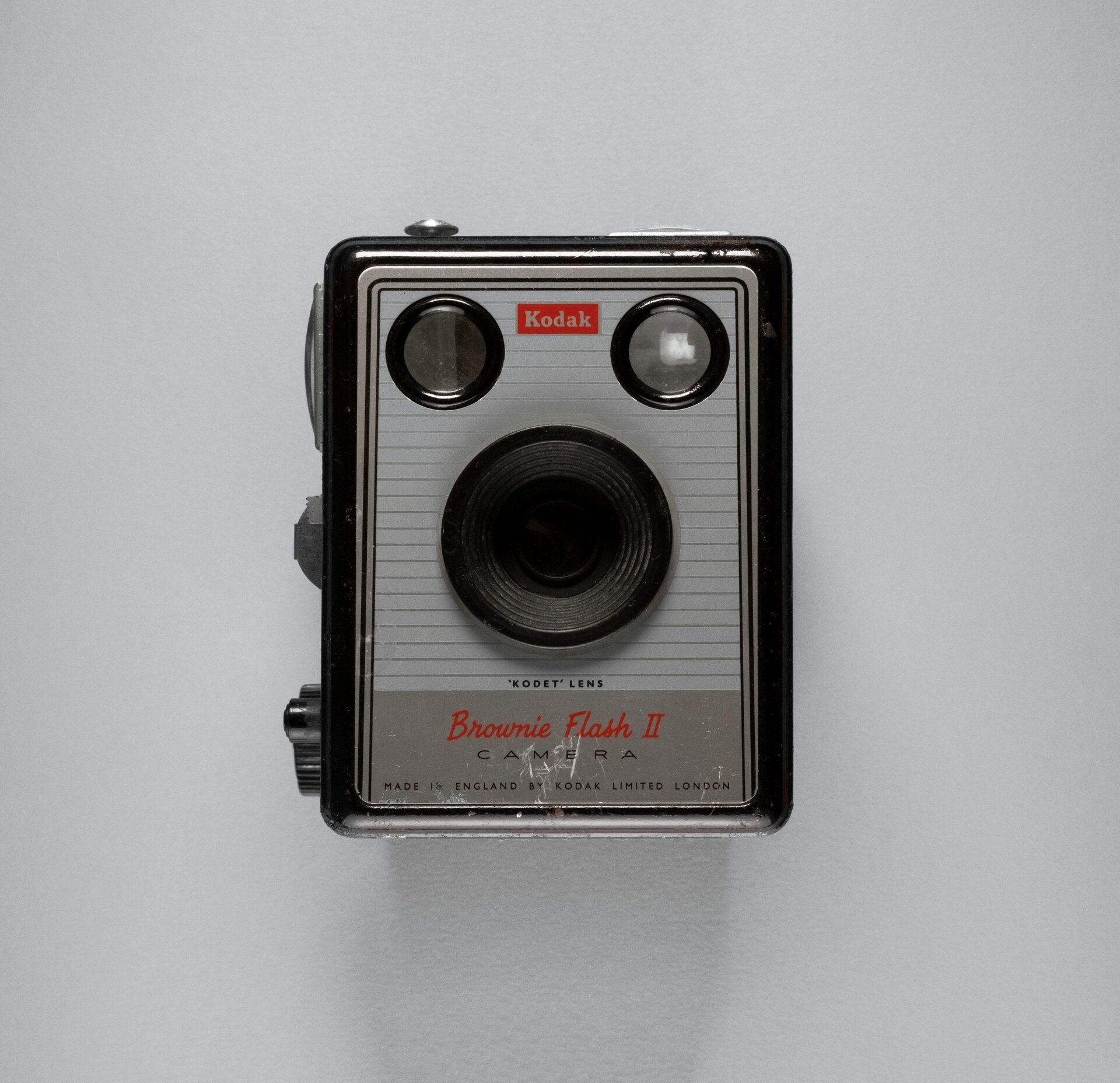
The first Kodak camera: photography for all
George Eastman’s first big successful camera, simply named the "Kodak," was introduced in 1888. It marked a revolution by simplifying the photographic process. No longer did photographers need to be chemists or skilled technicians; the Kodak camera was sold pre-loaded with enough film for 100 exposures, and users could send the entire camera back to the factory for film development and reloading. This innovation, coupled with the slogan "You press the button, we do the rest," made photography accessible to the average person, initiating the era of amateur photography.
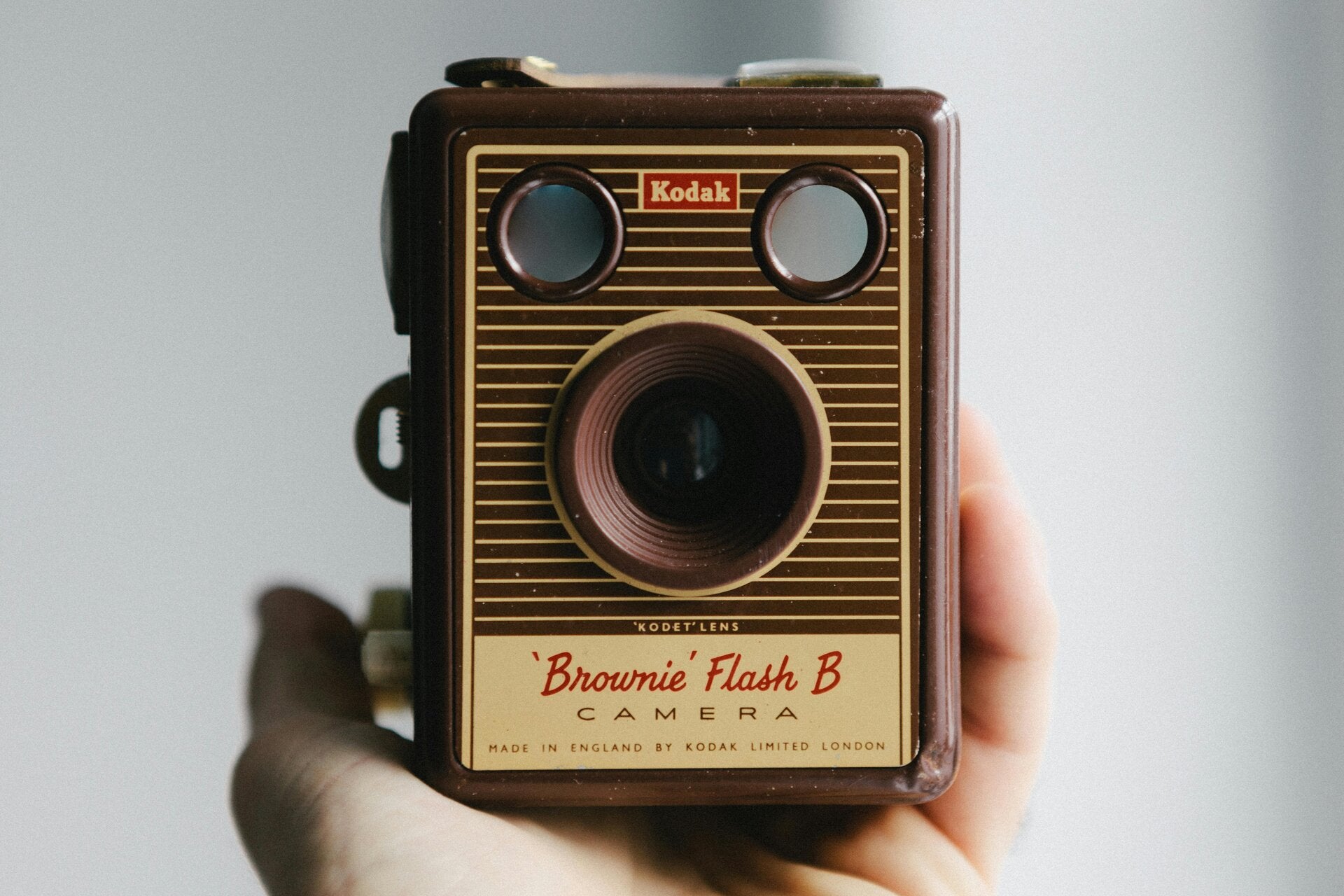
The Brownie camera: bringing photography to the masses
Launched in 1900, the Kodak Brownie camera was a simple and inexpensive box camera that democratized photography even further. Priced at just one dollar, it was marketed towards children and families, making photography a mainstream hobby. Its ease of use and affordability led to a boom in amateur photography, capturing everyday moments and establishing a new visual culture. The Brownie camera series was known for its robust design and reliability, evolving over decades with various models.
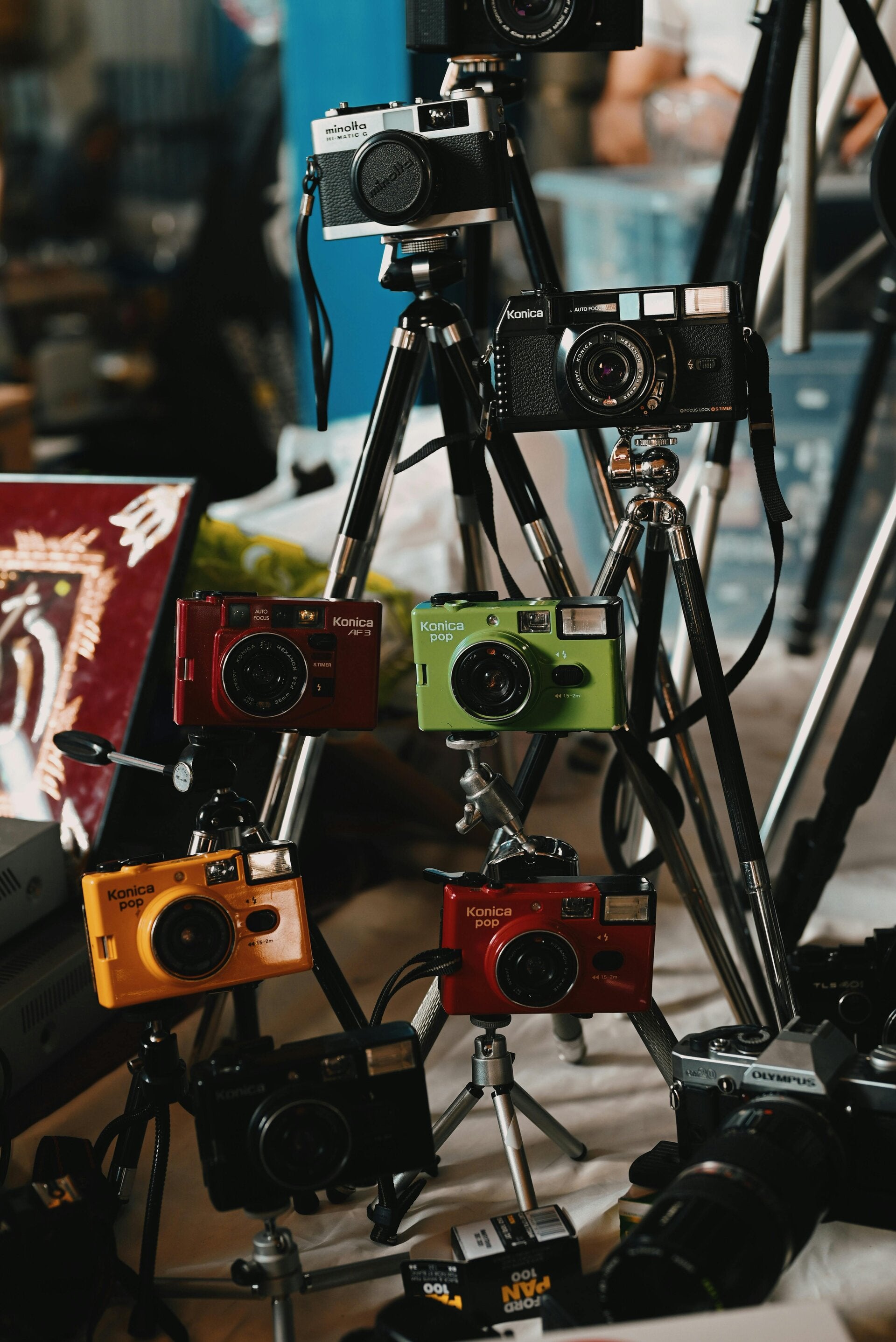
Instamatic cameras: the cartridge revolution
Introduced in 1963, the Kodak Instamatic cameras revolutionized film loading with their easy-to-use cartridge system. This innovation eliminated the need to thread film onto a spool, making photography simpler and faster for millions. The Instamatic line became incredibly popular, selling over 50 million units in its first seven years. Known for their compact size and often stylish designs, Instamatics were the go-to camera for casual photographers, cementing Kodak's reputation for user-friendly technology.